Research work and personal builds. Toggle between them below.
Climate PolicyMulti-Agent RLAI for Social Impact
Climate Policy Equity Framework
Climate negotiations fail partly because models used to guide them optimise for a single objective and ignore trade-offs between growth, temperature, and fairness. We built JUSTICE, a framework that plugs multi-agent, multi-objective RL into an Integrated Assessment Model so you can actually see those trade-offs. The result is a richer set of policy options that puts equity on the table alongside the usual economic and climate targets. Published at IJCAI 2025.
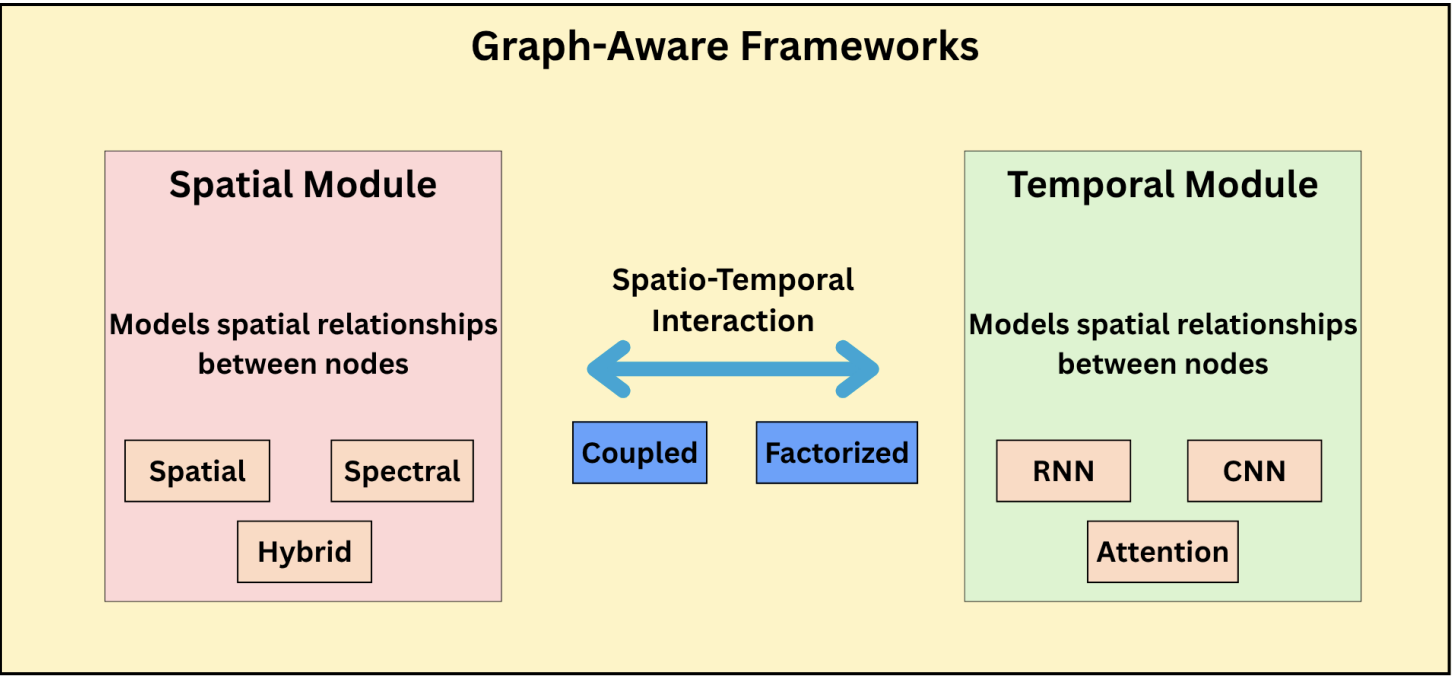
Spatio-Temporal Simplicial Complexes for Multivariate Time Series
My MSc thesis. Standard graph neural networks only model pairwise relationships, which misses a lot of what's actually happening in real networks like traffic or energy grids. I extended GNNs to higher-order topologies using simplicial complexes, letting the model capture interactions between groups of nodes, not just pairs. Benchmarked on traffic, energy, and air pollution data against 10+ baselines and got competitive results with a much leaner model. Awarded 9.0/10, supervised by Dr. Elvin Isufi.
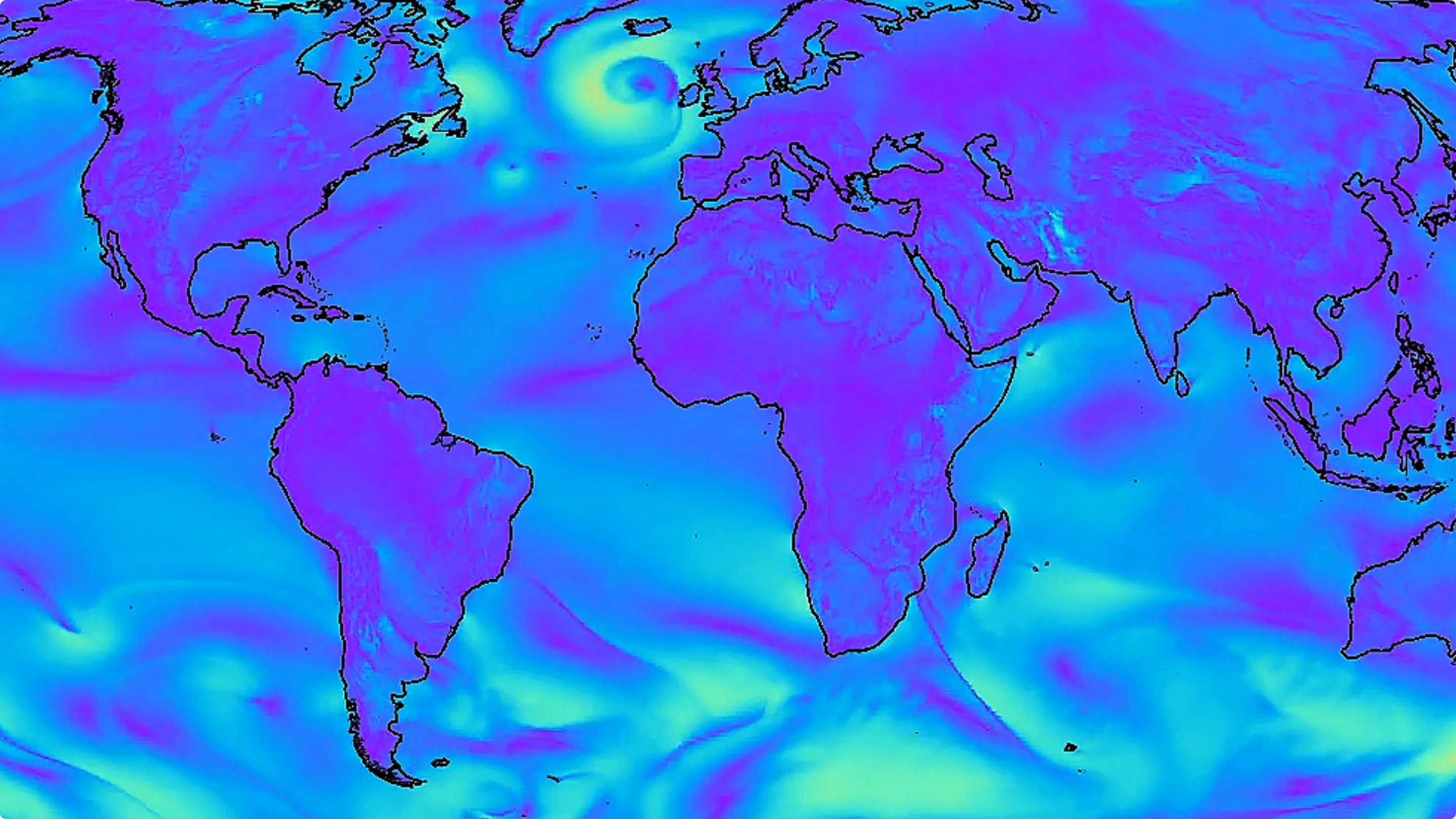
GraphCast Lite: Scalable GNNs for Weather Forecasting
DeepMind's GraphCast is impressive but expensive to run. This project looked at whether you can make it leaner without hurting forecast quality. We introduced a dynamic pruning approach that drops low-value edges during training, which cuts compute noticeably while keeping accuracy almost identical. Tested on large-scale meteorological data.
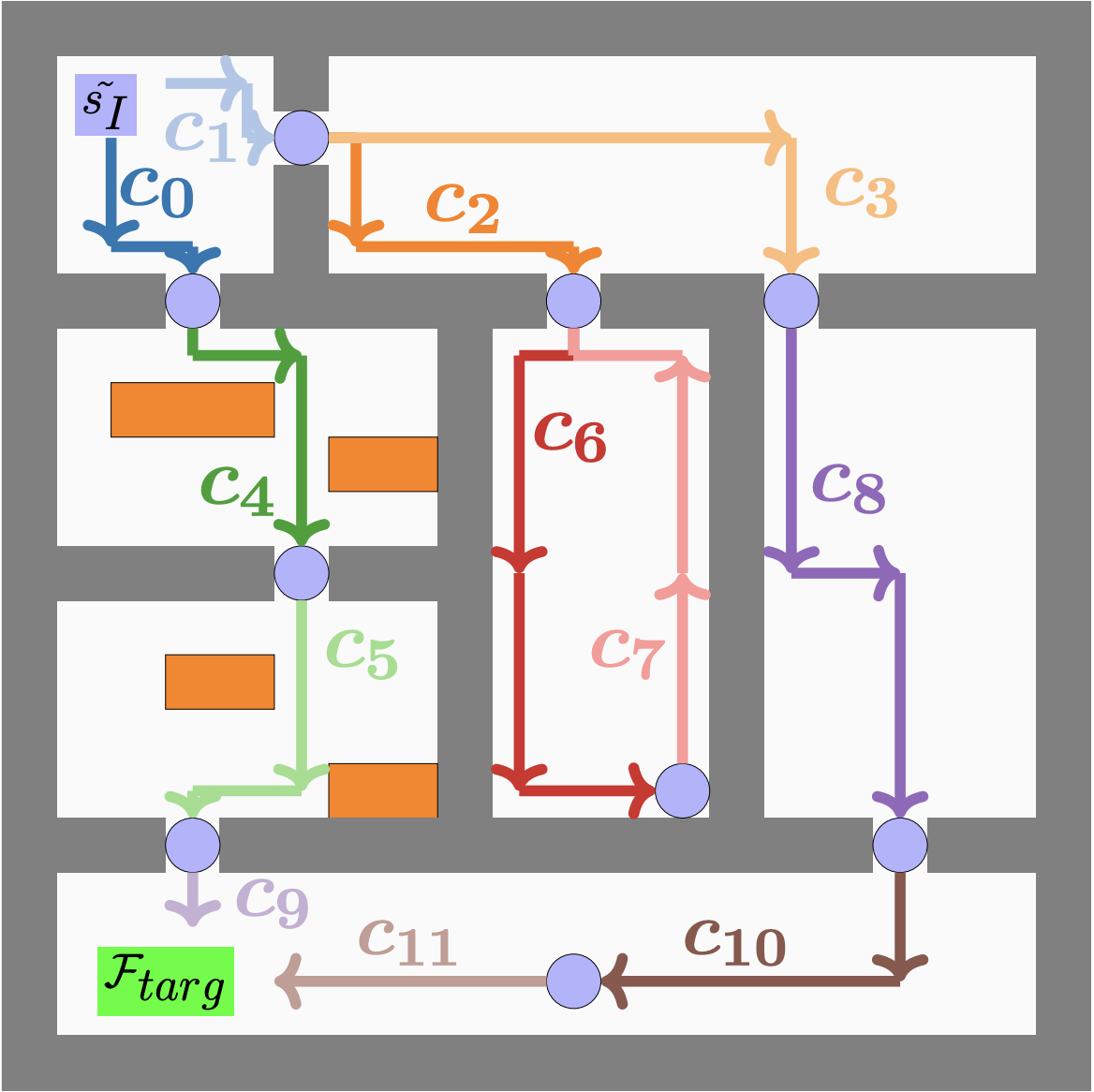
RL agents are hard to trust in safety-critical settings because you can't easily reason about what they'll do. We broke complex tasks into smaller sub-policies and formally verified each one using finite-horizon state distributions. You get provable safety guarantees per sub-task without sacrificing too much performance. Tested on Minigrid. A small step toward RL you can actually deploy in the real world.
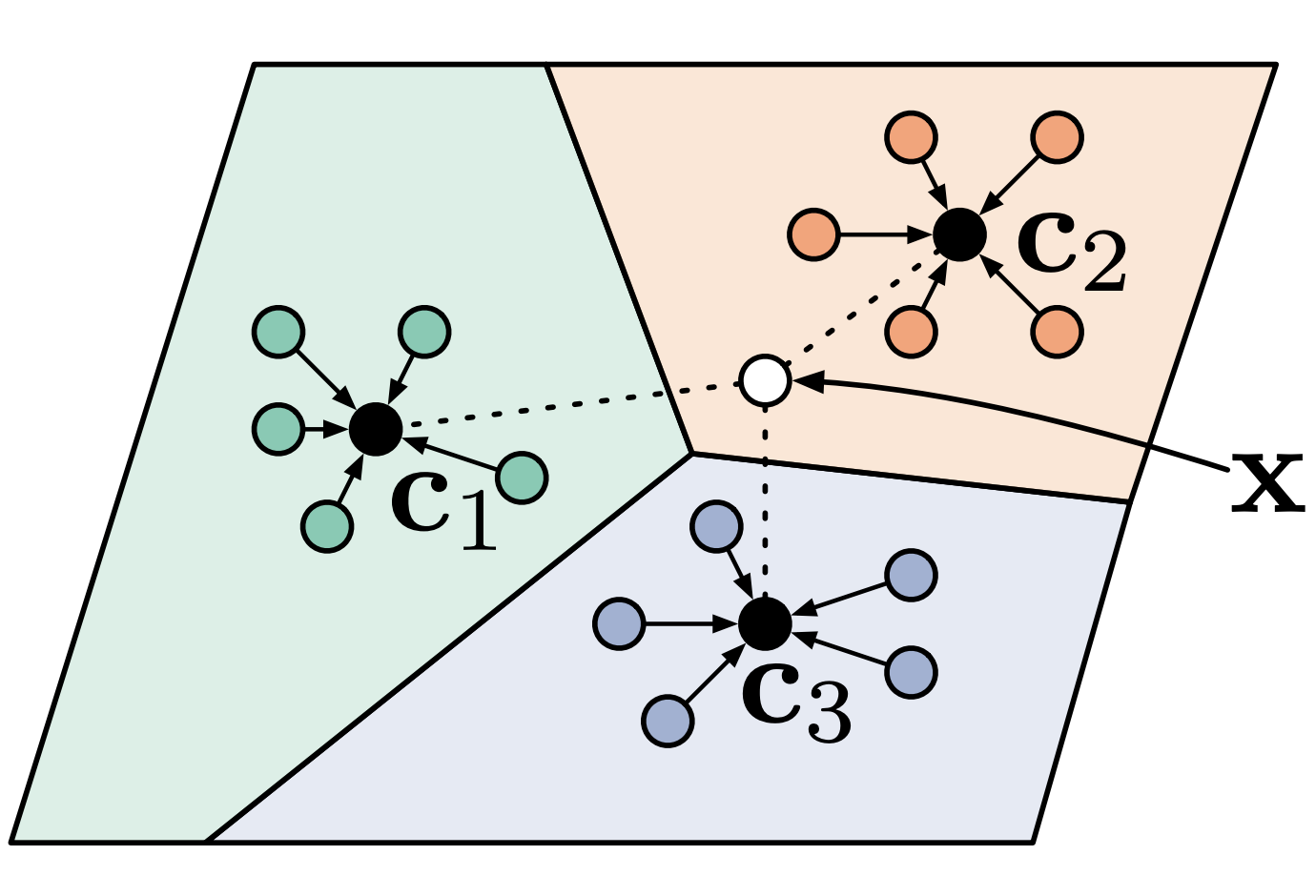
Reproducing Prototypical Networks for Few-Shot Learning
A clean reimplementation of Prototypical Networks for few-shot image classification. The idea is simple: embed images into a space where each class is represented by the mean of its support examples, then classify by nearest prototype. I reproduced the original results on mini-ImageNet and kept the code readable and easy to extend. Useful if you want to understand or build on the method without fighting someone else's messy codebase.
GANs typically need a lot of data to work well, which makes them hard to use for niche creative applications. SDCGAN is a pipeline that combines a VAE, DCGAN, and image translation to generate paintings from very small datasets. Built during my undergrad, advised by Dr. Ravi Kothari at IBM Research.
Most people find legal contracts hard to parse, and extraction-based QA systems don't handle the complexity well. This project explored a generative approach using a seq2seq encoder-decoder with self-attention, trained to answer questions about closed-domain contracts. The idea was to make legal documents more navigable without needing a lawyer for every query. Advised by Dr. Anirban Mondal at Ashoka University.